Buy jean-lucdehaene.eu ?
We are moving the project
jean-lucdehaene.eu .
Are you interested in purchasing the domain
jean-lucdehaene.eu ?
domain@kv-gmbh.de · 0541-91531010
Buy jean-lucdehaene.eu ?
Is the blue monkshood poisonous?
Yes, the blue monkshood (Aconitum napellus) is highly poisonous. All parts of the plant, including the roots, leaves, and flowers, contain toxic alkaloids that can be fatal if ingested. It is important to handle this plant with caution and to keep it away from children and pets. If there is any suspicion of ingestion, immediate medical attention should be sought. **
Is monkshood really so poisonous?
Yes, monkshood, also known as Aconitum, is indeed highly poisonous. All parts of the plant contain toxic alkaloids that can be lethal if ingested. Even small amounts of the plant can cause symptoms such as nausea, vomiting, dizziness, and in severe cases, heart and respiratory failure. It is important to handle monkshood with caution and avoid ingestion or contact with the skin. **

Similar search terms for Monkshood
Top-Angebote
Products related to Monkshood:
-
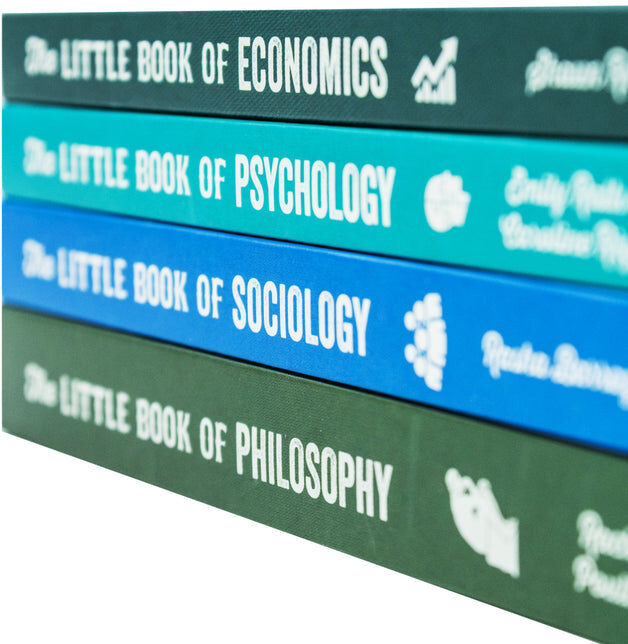
Summersdale Publishers The Little Book of Philosophy, Sociology, Economics & Psychology 4 Books Collection SetThe Little Book of Philosophy Philosophy is a quest for wisdom and knowledge; philosophia in Ancient Greek literally means “love of wisdom”. The aim of philosophy is to ask and explore life’s big questions to help us work out what we can know and how we can live a good life. Today, in a world of fake news, embarking on a quest for truth couldn’t be more important. The Little Book of Sociology From the smallest everyday interaction to the impact of vast systemic change, societies are brimming with fascinating phenomena we all want to understand more clearly.There's never been a more important moment to grasp what's going on around us, and this pocket-sized guide offers an engaging introduction to the key sociological concepts. The Little Book of Economics This Book will bring you up to speed on the basics of micro- and macroeconomics and demystify the world of taxes, trade, investments and finance, in simple English and with easy-to-follow examples.By the end of this crash course, you will have a grasp on all the essential terms, concepts and theories you need to know to understand modern-day. The Little Book of Psychology If you want to know your Freud from your Jung and your Milgram from your Maslow, strap in for this whirlwind tour of the highlights of psychology. Including accessible primers on: - The early thinkers who contributed to psychological ideas and the birth of modern psychology- Famous (and often controversial) experiments and their repercussions.12,99 £*Shipping: 2,99 £Secure redirect to the provider
-
Can you get monkshood in many nurseries?
Monkshood, also known as Aconitum, is a highly toxic plant and is not commonly found in many nurseries. Due to its poisonous nature, it is not widely cultivated or sold by nurseries. Additionally, it is important to note that handling monkshood requires caution and proper knowledge of its toxicity. If you are interested in growing monkshood, it is best to seek out specialty nurseries or online suppliers that specialize in rare or unusual plants. **
-
How can one stratify the blue monkshood?
To stratify the blue monkshood seeds, you can start by placing the seeds in a damp paper towel and then sealing them in a plastic bag. Place the bag in the refrigerator for a few weeks to simulate the cold, moist conditions that the seeds would experience in nature. After the stratification period, you can then plant the seeds in a well-draining soil mix and keep them consistently moist until they germinate. This process helps to break the seed dormancy and improve germination rates for the blue monkshood. **
-
Is the garden autumn monkshood (Arendsii) poisonous?
Yes, the garden autumn monkshood (Arendsii) is poisonous. All parts of the plant, including the roots, leaves, and flowers, contain toxic alkaloids that can be harmful if ingested. It is important to handle this plant with caution and keep it away from children and pets. If ingested, it can cause symptoms such as nausea, vomiting, and dizziness, and in severe cases, it can be fatal. **
-
Would you plant blue monkshood in the garden?
Blue monkshood, also known as Aconitum napellus, is a beautiful but highly toxic plant. Due to its toxicity, it is not recommended to plant blue monkshood in a garden, especially if there are children or pets around who may accidentally ingest it. It is best to choose non-toxic plants for a garden to ensure the safety of all inhabitants. **
Can one touch or eat the blue monkshood?
No, one should not touch or eat the blue monkshood. All parts of the plant, including the leaves, flowers, and roots, contain toxic alkaloids that can be harmful if ingested or if the sap comes into contact with the skin. Ingesting even a small amount of the plant can cause symptoms such as nausea, vomiting, and dizziness, and in severe cases, it can be fatal. It is important to exercise caution and avoid any contact with the blue monkshood. **
Is the juice of the blue monkshood poisonous?
Yes, the juice of the blue monkshood, also known as Aconitum napellus, is highly poisonous. All parts of the plant, including the roots, leaves, and flowers, contain toxic alkaloids that can be fatal if ingested. Ingesting even a small amount of the juice can cause symptoms such as nausea, vomiting, dizziness, and in severe cases, heart and respiratory failure. It is important to handle this plant with caution and to keep it away from children and pets. **
Top-Angebote
Products related to Monkshood:
-
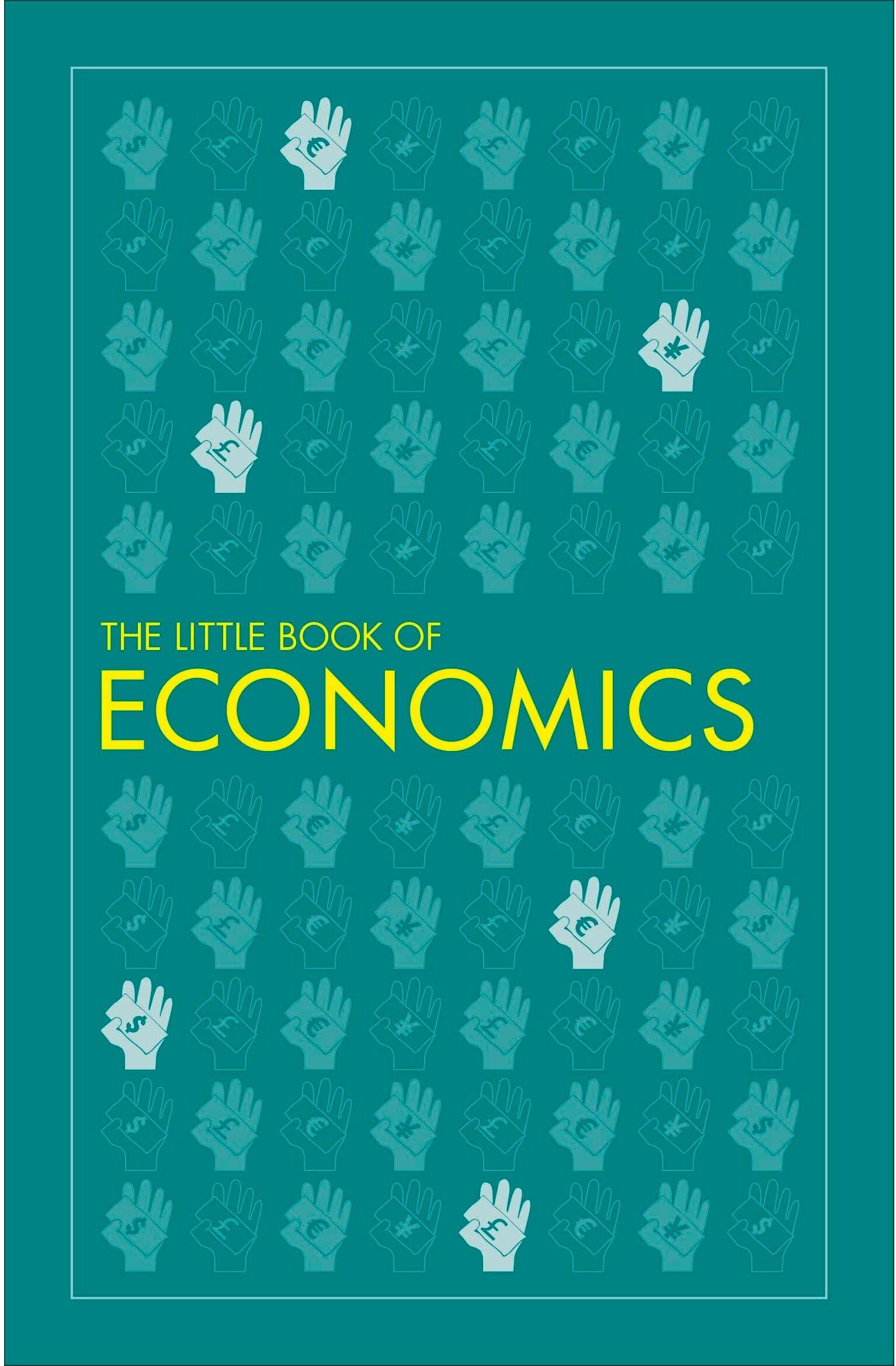
The Little Book of Economics (DK Big Ideas Series)This book is the perfect introduction to the subject of economics and economic ideas through history. From the earliest forms of currency to the Industrial Revolution, and from the birth of the stock market to free-market capitalism and globalized trade, The Little Book of Economics brings economic theory and the work of key economists to life. Journeying through centuries of economic thought, it is the perfect pocket-sized guide to the subject. Packed with infographics and flowcharts that explain complex concepts clearly and simply, The Little Book of Economics offers you a combination of clear text and hard-working infographics in a portable format that is perfect for reading on the go.5,99 £*Shipping: 2,99 £Secure redirect to the provider
-
Summersdale Publishers The Little Book of Philosophy, Sociology, Economics & Psychology 4 Books Collection SetThe Little Book of Philosophy Philosophy is a quest for wisdom and knowledge; philosophia in Ancient Greek literally means “love of wisdom”. The aim of philosophy is to ask and explore life’s big questions to help us work out what we can know and how we can live a good life. Today, in a world of fake news, embarking on a quest for truth couldn’t be more important. The Little Book of Sociology From the smallest everyday interaction to the impact of vast systemic change, societies are brimming with fascinating phenomena we all want to understand more clearly.There's never been a more important moment to grasp what's going on around us, and this pocket-sized guide offers an engaging introduction to the key sociological concepts. The Little Book of Economics This Book will bring you up to speed on the basics of micro- and macroeconomics and demystify the world of taxes, trade, investments and finance, in simple English and with easy-to-follow examples.By the end of this crash course, you will have a grasp on all the essential terms, concepts and theories you need to know to understand modern-day. The Little Book of Psychology If you want to know your Freud from your Jung and your Milgram from your Maslow, strap in for this whirlwind tour of the highlights of psychology. Including accessible primers on: - The early thinkers who contributed to psychological ideas and the birth of modern psychology- Famous (and often controversial) experiments and their repercussions.12,99 £*Shipping: 2,99 £Secure redirect to the provider
-
Is the blue monkshood poisonous?
Yes, the blue monkshood (Aconitum napellus) is highly poisonous. All parts of the plant, including the roots, leaves, and flowers, contain toxic alkaloids that can be fatal if ingested. It is important to handle this plant with caution and to keep it away from children and pets. If there is any suspicion of ingestion, immediate medical attention should be sought. **
-
Is monkshood really so poisonous?
Yes, monkshood, also known as Aconitum, is indeed highly poisonous. All parts of the plant contain toxic alkaloids that can be lethal if ingested. Even small amounts of the plant can cause symptoms such as nausea, vomiting, dizziness, and in severe cases, heart and respiratory failure. It is important to handle monkshood with caution and avoid ingestion or contact with the skin. **
-
Can you get monkshood in many nurseries?
Monkshood, also known as Aconitum, is a highly toxic plant and is not commonly found in many nurseries. Due to its poisonous nature, it is not widely cultivated or sold by nurseries. Additionally, it is important to note that handling monkshood requires caution and proper knowledge of its toxicity. If you are interested in growing monkshood, it is best to seek out specialty nurseries or online suppliers that specialize in rare or unusual plants. **
-
How can one stratify the blue monkshood?
To stratify the blue monkshood seeds, you can start by placing the seeds in a damp paper towel and then sealing them in a plastic bag. Place the bag in the refrigerator for a few weeks to simulate the cold, moist conditions that the seeds would experience in nature. After the stratification period, you can then plant the seeds in a well-draining soil mix and keep them consistently moist until they germinate. This process helps to break the seed dormancy and improve germination rates for the blue monkshood. **
Similar search terms for Monkshood
-
Is the garden autumn monkshood (Arendsii) poisonous?
Yes, the garden autumn monkshood (Arendsii) is poisonous. All parts of the plant, including the roots, leaves, and flowers, contain toxic alkaloids that can be harmful if ingested. It is important to handle this plant with caution and keep it away from children and pets. If ingested, it can cause symptoms such as nausea, vomiting, and dizziness, and in severe cases, it can be fatal. **
-
Would you plant blue monkshood in the garden?
Blue monkshood, also known as Aconitum napellus, is a beautiful but highly toxic plant. Due to its toxicity, it is not recommended to plant blue monkshood in a garden, especially if there are children or pets around who may accidentally ingest it. It is best to choose non-toxic plants for a garden to ensure the safety of all inhabitants. **
-
Can one touch or eat the blue monkshood?
No, one should not touch or eat the blue monkshood. All parts of the plant, including the leaves, flowers, and roots, contain toxic alkaloids that can be harmful if ingested or if the sap comes into contact with the skin. Ingesting even a small amount of the plant can cause symptoms such as nausea, vomiting, and dizziness, and in severe cases, it can be fatal. It is important to exercise caution and avoid any contact with the blue monkshood. **
-
Is the juice of the blue monkshood poisonous?
Yes, the juice of the blue monkshood, also known as Aconitum napellus, is highly poisonous. All parts of the plant, including the roots, leaves, and flowers, contain toxic alkaloids that can be fatal if ingested. Ingesting even a small amount of the juice can cause symptoms such as nausea, vomiting, dizziness, and in severe cases, heart and respiratory failure. It is important to handle this plant with caution and to keep it away from children and pets. **
* All prices are inclusive of VAT and, if applicable, plus shipping costs. The offer information is based on the details provided by the respective shop and is updated through automated processes. Real-time updates do not occur, so deviations can occur in individual cases. ** Note: Parts of this content were created by AI.