Buy jean-lucdehaene.eu ?
We are moving the project
jean-lucdehaene.eu .
Are you interested in purchasing the domain
jean-lucdehaene.eu ?
domain@kv-gmbh.de · 0541-91531010
Buy jean-lucdehaene.eu ?
How can I best learn economics?
To best learn economics, it is recommended to start by building a strong foundation in basic economic principles and theories. This can be achieved through formal education such as taking economics courses at a university or through online resources like textbooks and lectures. Additionally, staying updated on current economic events and trends can help apply theoretical knowledge to real-world situations. Finally, engaging in discussions with peers or joining economics-related clubs or groups can provide a platform for exchanging ideas and gaining different perspectives on economic concepts. **
How can one learn Indo-European?
One can learn Indo-European by studying its grammar, vocabulary, and phonology through textbooks, online resources, and language courses. It is important to familiarize oneself with the historical context and evolution of the language family to understand its structure and development. Practice speaking, writing, and listening to Indo-European languages to improve fluency and comprehension. Additionally, joining language exchange groups or finding a tutor can provide valuable opportunities for conversation and feedback. **
Similar search terms for Learn
Top-Angebote
Products related to Learn:
-
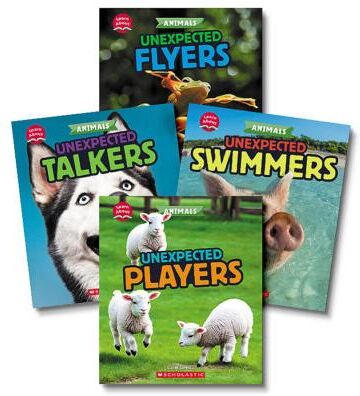
Learn About: Unexpected Animals Value PackThe natural world is filled with animals doing unexpected things! It is hard to believe, but orcas can talk, sloths can swim, some snakes can fly, and octopuses love to play. Each book in this vibrant new nonfiction series explores the unusual...22,99 $*Shipping: 0,00 $Secure redirect to the provider
-
Scholastic Learn The Alphabet & Numbers CollectionHelp your child learn the alphabet and numbers with this interactive bundle.This set contains:I SPY LettersI SPY NumbersScholastic Early Learners: Write-and-Repeat Alphabet PracticeScholastic Early Learners: Write-and-Repeat Number...44,99 $*Shipping: 0,00 $Secure redirect to the provider
-
Evenflo Jump & Learn Stationary Jumper - Safari FriendsThe Evenflo ExerSaucer Jump & Learn stationary jumper offers parents a safe and stable environment for their children to jump, learn and play. A variety of age-appropriate toys were developed in conjunction with Child Development Institute to help...169,99 $*Shipping: 0,00 $Secure redirect to the provider
-
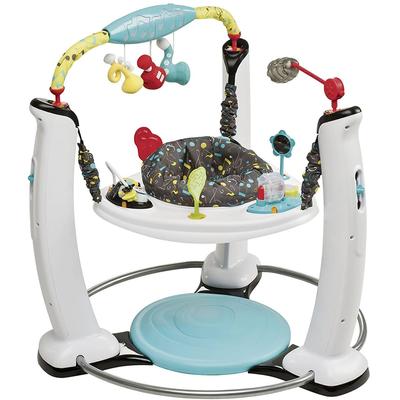
Evenflo Jump & Learn Stationary Jumper - Jam SessionThe Jam Session jumper offers parents a safe and stable environment for their children to jump, learn and play. A variety of age-appropriate toys were developed in conjunction with the Child Development Institute to help baby achieve important...199,99 $*Shipping: 0,00 $Secure redirect to the provider


-
What do you learn in Economics and Law?
In Economics and Law, students learn about the intersection of economic principles and legal frameworks. They study how laws and regulations impact economic activities, such as business transactions, trade agreements, and competition policies. Additionally, they explore how economic theories can inform legal decision-making and policy development. Overall, the combination of economics and law provides students with a comprehensive understanding of how these two disciplines influence each other in various aspects of society and the economy. **
-
How is the best way to learn politics and economics?
The best way to learn politics and economics is through a combination of formal education, practical experience, and staying informed through current events. Taking courses in political science and economics can provide a strong foundation of knowledge, while internships or volunteer opportunities in related fields can offer hands-on experience. Additionally, staying up-to-date with news and analysis on political and economic issues can help deepen understanding and critical thinking skills in these areas. Engaging in discussions with others who have expertise in politics and economics can also provide valuable insights and perspectives. **
-
Where should I start to learn about politics and economics?
A good place to start learning about politics and economics is by reading introductory books on the subjects. Look for books that provide a broad overview and explain key concepts in an accessible way. You can also follow reputable news sources and websites that cover political and economic developments to stay informed about current events and trends. Additionally, consider taking online courses or attending lectures to deepen your understanding of these topics. **
-
Why do home economics teachers need to learn specialized math?
Home economics teachers need to learn specialized math because they often teach subjects such as nutrition, food science, and budgeting, which require mathematical skills. Understanding concepts such as measurements, conversions, percentages, and ratios is essential for teaching these topics effectively. Additionally, having a strong foundation in math allows home economics teachers to accurately calculate recipe measurements, analyze nutritional information, and create realistic budgets for their students. Overall, specialized math knowledge enhances the quality of education that home economics teachers can provide in their classrooms. **

What would one learn in a school subject of economics?
In a school subject of economics, one would learn about the principles of supply and demand, how markets function, and the factors that influence consumer behavior. Students would also study concepts such as inflation, unemployment, and economic growth, as well as the role of government in regulating the economy. Additionally, they would explore different economic systems, such as capitalism and socialism, and how they impact society. Overall, the subject of economics provides a comprehensive understanding of how resources are allocated, wealth is created, and the overall functioning of the economy. **
How did the affected peoples learn about European colonial policies?
The affected peoples learned about European colonial policies through various means. Some learned through direct interactions with European colonizers, who would communicate their policies and intentions through translators or intermediaries. Others learned through the spread of information and rumors within their communities, as well as through the experiences of those who had already been impacted by colonial policies. Additionally, some affected peoples learned about European colonial policies through the establishment of colonial institutions, such as schools and churches, which served as channels for the dissemination of colonial ideologies and practices. **
Top-Angebote
Products related to Learn:
-
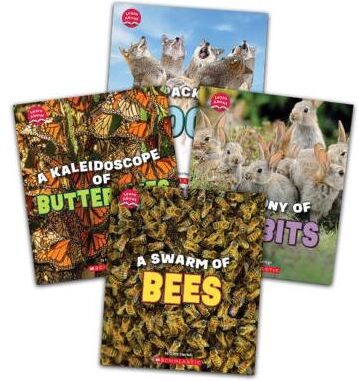
Learn About Animals Value PackWhether it is a group of wild mammals, birds, or even insects, there is a unique name to identify each specific animal group. Groups of bees, butterflies, rabbits, and dogs are the stars of this vibrant new set of LEARN ABOUT books that are packed...23,76 $*Shipping: 0,00 $Secure redirect to the provider
-
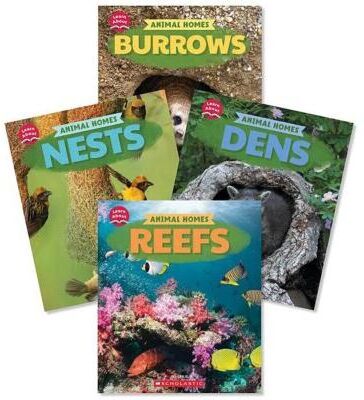
Learn About: Animal Homes Value PackAnimals live in all sorts of amazing homes! These cozy places keep them safe and warm, are conveniently located near food and water, and provide a secure place for their little ones. Some animals build their homes high up in the trees, while others...22,99 $*Shipping: 0,00 $Secure redirect to the provider
-
Learn About: Unexpected Animals Value PackThe natural world is filled with animals doing unexpected things! It is hard to believe, but orcas can talk, sloths can swim, some snakes can fly, and octopuses love to play. Each book in this vibrant new nonfiction series explores the unusual...22,99 $*Shipping: 0,00 $Secure redirect to the provider
-
Scholastic Learn The Alphabet & Numbers CollectionHelp your child learn the alphabet and numbers with this interactive bundle.This set contains:I SPY LettersI SPY NumbersScholastic Early Learners: Write-and-Repeat Alphabet PracticeScholastic Early Learners: Write-and-Repeat Number...44,99 $*Shipping: 0,00 $Secure redirect to the provider
-
How can I best learn economics?
To best learn economics, it is recommended to start by building a strong foundation in basic economic principles and theories. This can be achieved through formal education such as taking economics courses at a university or through online resources like textbooks and lectures. Additionally, staying updated on current economic events and trends can help apply theoretical knowledge to real-world situations. Finally, engaging in discussions with peers or joining economics-related clubs or groups can provide a platform for exchanging ideas and gaining different perspectives on economic concepts. **
-
How can one learn Indo-European?
One can learn Indo-European by studying its grammar, vocabulary, and phonology through textbooks, online resources, and language courses. It is important to familiarize oneself with the historical context and evolution of the language family to understand its structure and development. Practice speaking, writing, and listening to Indo-European languages to improve fluency and comprehension. Additionally, joining language exchange groups or finding a tutor can provide valuable opportunities for conversation and feedback. **
-
What do you learn in Economics and Law?
In Economics and Law, students learn about the intersection of economic principles and legal frameworks. They study how laws and regulations impact economic activities, such as business transactions, trade agreements, and competition policies. Additionally, they explore how economic theories can inform legal decision-making and policy development. Overall, the combination of economics and law provides students with a comprehensive understanding of how these two disciplines influence each other in various aspects of society and the economy. **
-
How is the best way to learn politics and economics?
The best way to learn politics and economics is through a combination of formal education, practical experience, and staying informed through current events. Taking courses in political science and economics can provide a strong foundation of knowledge, while internships or volunteer opportunities in related fields can offer hands-on experience. Additionally, staying up-to-date with news and analysis on political and economic issues can help deepen understanding and critical thinking skills in these areas. Engaging in discussions with others who have expertise in politics and economics can also provide valuable insights and perspectives. **
Similar search terms for Learn
-
Evenflo Jump & Learn Stationary Jumper - Safari FriendsThe Evenflo ExerSaucer Jump & Learn stationary jumper offers parents a safe and stable environment for their children to jump, learn and play. A variety of age-appropriate toys were developed in conjunction with Child Development Institute to help...169,99 $*Shipping: 0,00 $Secure redirect to the provider
-
Evenflo Jump & Learn Stationary Jumper - Jam SessionThe Jam Session jumper offers parents a safe and stable environment for their children to jump, learn and play. A variety of age-appropriate toys were developed in conjunction with the Child Development Institute to help baby achieve important...199,99 $*Shipping: 0,00 $Secure redirect to the provider
-
Little Shepherd Read and Learn Value PackLittle Shepherd Read and Learn Books: Biblically-based stories for children and parents to read, discuss, and grow in faith together.This set includes:Read and Learn: All About Jesus Sticker & Activity BookRead and Learn: Favorite Bible Stories...26,99 $*Shipping: 0,00 $Secure redirect to the provider
-
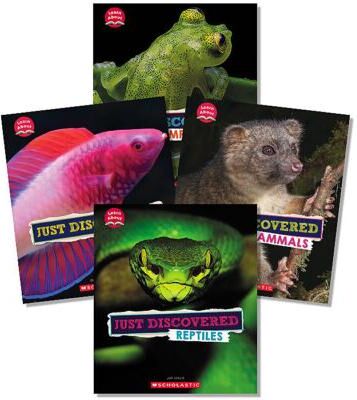
Learn About: Just Discovered Animals Value PackDid you know scientists discover thousands of new species every year? Some are even named after things in popular culture like the Wakanda fish (Black Panther) and the Salazar's pit viper (Harry Potter). This vibrant new set of Learn About books...23,76 $*Shipping: 0,00 $Secure redirect to the provider
-
Where should I start to learn about politics and economics?
A good place to start learning about politics and economics is by reading introductory books on the subjects. Look for books that provide a broad overview and explain key concepts in an accessible way. You can also follow reputable news sources and websites that cover political and economic developments to stay informed about current events and trends. Additionally, consider taking online courses or attending lectures to deepen your understanding of these topics. **
-
Why do home economics teachers need to learn specialized math?
Home economics teachers need to learn specialized math because they often teach subjects such as nutrition, food science, and budgeting, which require mathematical skills. Understanding concepts such as measurements, conversions, percentages, and ratios is essential for teaching these topics effectively. Additionally, having a strong foundation in math allows home economics teachers to accurately calculate recipe measurements, analyze nutritional information, and create realistic budgets for their students. Overall, specialized math knowledge enhances the quality of education that home economics teachers can provide in their classrooms. **
-
What would one learn in a school subject of economics?
In a school subject of economics, one would learn about the principles of supply and demand, how markets function, and the factors that influence consumer behavior. Students would also study concepts such as inflation, unemployment, and economic growth, as well as the role of government in regulating the economy. Additionally, they would explore different economic systems, such as capitalism and socialism, and how they impact society. Overall, the subject of economics provides a comprehensive understanding of how resources are allocated, wealth is created, and the overall functioning of the economy. **
-
How did the affected peoples learn about European colonial policies?
The affected peoples learned about European colonial policies through various means. Some learned through direct interactions with European colonizers, who would communicate their policies and intentions through translators or intermediaries. Others learned through the spread of information and rumors within their communities, as well as through the experiences of those who had already been impacted by colonial policies. Additionally, some affected peoples learned about European colonial policies through the establishment of colonial institutions, such as schools and churches, which served as channels for the dissemination of colonial ideologies and practices. **
* All prices are inclusive of VAT and, if applicable, plus shipping costs. The offer information is based on the details provided by the respective shop and is updated through automated processes. Real-time updates do not occur, so deviations can occur in individual cases. ** Note: Parts of this content were created by AI.