Buy jean-lucdehaene.eu ?
We are moving the project
jean-lucdehaene.eu .
Are you interested in purchasing the domain
jean-lucdehaene.eu ?
domain@kv-gmbh.de · 0541-91531010
Buy jean-lucdehaene.eu ?
Catheter or stent?
The choice between a catheter and a stent depends on the specific medical condition and the individual patient's needs. A catheter is a thin tube that can be used to drain fluids or administer medication, while a stent is a small mesh tube that can be placed in a blood vessel or duct to help keep it open. In some cases, a catheter may be used as a temporary solution, while a stent may be used for a more permanent or long-term treatment. Ultimately, the decision should be made in consultation with a healthcare professional who can assess the specific situation and recommend the most appropriate option. **
What is a catheter?
A catheter is a thin, flexible tube that is inserted into the body to remove fluids or to allow for the passage of fluids. It can be used to drain urine from the bladder when a person is unable to do so on their own, or to deliver medications or fluids directly into the bloodstream. Catheters come in various sizes and types depending on their intended use, such as urinary catheters, intravenous catheters, or cardiac catheters. **
Similar search terms for Catheter
Top-Angebote
Products related to Catheter:
-
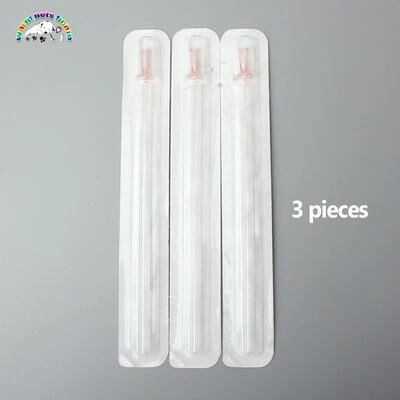
Inspire Essentials Veterinary Sterile Feline Urinary Catheter Disposable Catheter For Clinical Use 3pcs 1.0 130mm End OpenDesigned for veterinary professionals, this feline urinary catheter provides a sterile and reliable solution for clinical urinary management procedures in cats. Manufactured for single use, it helps support hygienic handling in veterinary settings....113,98 $*Shipping: 0,00 $Secure redirect to the provider
-
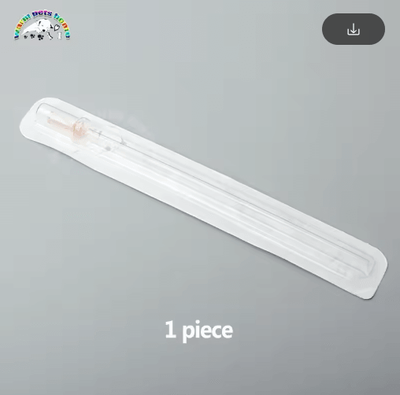
Inspire Essentials Veterinary Sterile Feline Urinary Catheter Disposable Catheter For Clinical Use 1pcs 1.0 130mm End OpenDesigned for veterinary professionals, this feline urinary catheter provides a sterile and reliable solution for clinical urinary management procedures in cats. Manufactured for single use, it helps support hygienic handling in veterinary settings....113,98 $*Shipping: 0,00 $Secure redirect to the provider
-
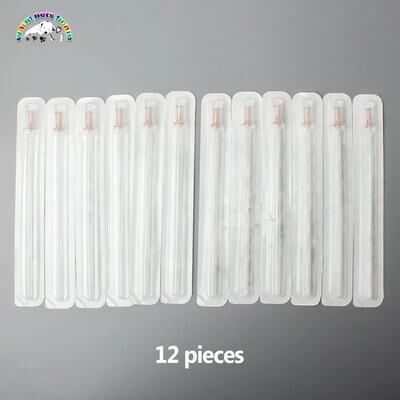
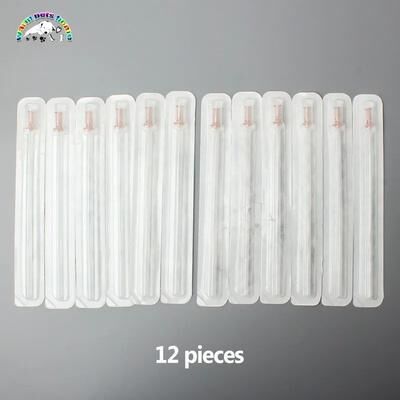
Inspire Essentials Veterinary Sterile Feline Urinary Catheter Disposable Catheter For Clinical Use 12pcs 1.0 130mm End OpenDesigned for veterinary professionals, this feline urinary catheter provides a sterile and reliable solution for clinical urinary management procedures in cats. Manufactured for single use, it helps support hygienic handling in veterinary settings....113,98 $*Shipping: 0,00 $Secure redirect to the provider
-
Inspire Essentials Veterinary Sterile Feline Urinary Catheter Disposable Catheter For Clinical Use 1pcs 1.3 130mm Side OpenDesigned for veterinary professionals, this feline urinary catheter provides a sterile and reliable solution for clinical urinary management procedures in cats. Manufactured for single use, it helps support hygienic handling in veterinary settings....113,98 $*Shipping: 0,00 $Secure redirect to the provider


-
Is a catheter necessary?
A catheter may be necessary in certain medical situations where a patient is unable to urinate on their own or needs continuous drainage of their bladder. This could be due to conditions such as urinary retention, surgery, or certain medical procedures. A healthcare provider will assess the individual's specific needs and determine if a catheter is necessary for their care. **
-
Does a catheter hurt?
The insertion of a catheter can cause discomfort or pain for some individuals. The level of discomfort can vary depending on the person's pain tolerance and the skill of the healthcare provider performing the procedure. However, once the catheter is in place, it should not cause ongoing pain if properly positioned. It's important to communicate any discomfort to the healthcare provider so they can address it and ensure the catheter is properly positioned. **
-
Does inserting a catheter hurt?
Inserting a catheter can cause discomfort or pain for some individuals, while others may not feel much pain at all. The level of pain experienced can vary depending on factors such as the individual's pain tolerance, the skill of the healthcare provider inserting the catheter, and the type of catheter being used. It is important to communicate any discomfort or pain to the healthcare provider so they can make adjustments to minimize discomfort during the procedure. **
-
Has the suprapubic catheter slipped out?
To determine if a suprapubic catheter has slipped out, it is important to carefully assess the area where the catheter is inserted. Look for any signs of the catheter being dislodged or no longer in place. If the catheter is no longer in the correct position, it may need to be reinserted by a healthcare professional to ensure proper function and prevent complications. It is important to seek medical attention if there are any concerns about the position of the suprapubic catheter. **
What is the correct catheter size?
The correct catheter size depends on the individual patient's needs and the purpose of the catheterization. Generally, for adult urinary catheterization, a 14 to 16 French size catheter is commonly used for women, and a 16 to 18 French size catheter is commonly used for men. However, the specific size should be determined by a healthcare professional based on the patient's anatomy, medical history, and the reason for catheterization. It is important to consult with a healthcare provider to determine the correct catheter size for each individual patient. **
How is a urinary catheter inserted?
A urinary catheter is inserted by a healthcare professional in a sterile environment. The process involves cleaning the genital area, applying a numbing gel to the urethra, and then gently inserting the catheter tube into the urethra until it reaches the bladder. Once in place, the catheter allows urine to drain out of the bladder into a collection bag. It is important for the healthcare provider to follow proper hygiene protocols to reduce the risk of infection. **
Top-Angebote
Products related to Catheter:
-
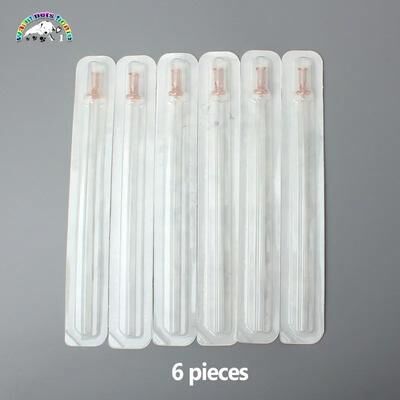
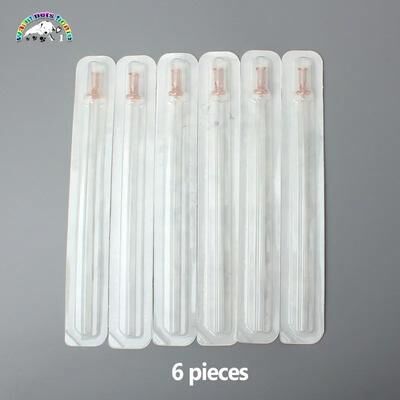
Inspire Essentials Veterinary Sterile Feline Urinary Catheter Disposable Catheter For Clinical Use 6pcs 1.0 130mm End OpenDesigned for veterinary professionals, this feline urinary catheter provides a sterile and reliable solution for clinical urinary management procedures in cats. Manufactured for single use, it helps support hygienic handling in veterinary settings....113,98 $*Shipping: 0,00 $Secure redirect to the provider
-
Inspire Picks Steri'Flow Feline Urinary Catheter Sterile Veterinary Catheter For Cats 1.0mm To 1.3mm 1 Piece 1.0 130mm End OpenDesigned for professional veterinary use, this feline urinary catheter provides a sterile and reliable solution for urinary catheterization procedures in cats. Manufactured with smooth, flexible materials to support controlled insertion and patient...55,51 $*Shipping: 0,00 $Secure redirect to the provider
-
Inspire Essentials Veterinary Sterile Feline Urinary Catheter Disposable Catheter For Clinical Use 3pcs 1.0 130mm End OpenDesigned for veterinary professionals, this feline urinary catheter provides a sterile and reliable solution for clinical urinary management procedures in cats. Manufactured for single use, it helps support hygienic handling in veterinary settings....113,98 $*Shipping: 0,00 $Secure redirect to the provider
-
Inspire Essentials Veterinary Sterile Feline Urinary Catheter Disposable Catheter For Clinical Use 1pcs 1.0 130mm End OpenDesigned for veterinary professionals, this feline urinary catheter provides a sterile and reliable solution for clinical urinary management procedures in cats. Manufactured for single use, it helps support hygienic handling in veterinary settings....113,98 $*Shipping: 0,00 $Secure redirect to the provider
-
Catheter or stent?
The choice between a catheter and a stent depends on the specific medical condition and the individual patient's needs. A catheter is a thin tube that can be used to drain fluids or administer medication, while a stent is a small mesh tube that can be placed in a blood vessel or duct to help keep it open. In some cases, a catheter may be used as a temporary solution, while a stent may be used for a more permanent or long-term treatment. Ultimately, the decision should be made in consultation with a healthcare professional who can assess the specific situation and recommend the most appropriate option. **
-
What is a catheter?
A catheter is a thin, flexible tube that is inserted into the body to remove fluids or to allow for the passage of fluids. It can be used to drain urine from the bladder when a person is unable to do so on their own, or to deliver medications or fluids directly into the bloodstream. Catheters come in various sizes and types depending on their intended use, such as urinary catheters, intravenous catheters, or cardiac catheters. **
-
Is a catheter necessary?
A catheter may be necessary in certain medical situations where a patient is unable to urinate on their own or needs continuous drainage of their bladder. This could be due to conditions such as urinary retention, surgery, or certain medical procedures. A healthcare provider will assess the individual's specific needs and determine if a catheter is necessary for their care. **
-
Does a catheter hurt?
The insertion of a catheter can cause discomfort or pain for some individuals. The level of discomfort can vary depending on the person's pain tolerance and the skill of the healthcare provider performing the procedure. However, once the catheter is in place, it should not cause ongoing pain if properly positioned. It's important to communicate any discomfort to the healthcare provider so they can address it and ensure the catheter is properly positioned. **
Similar search terms for Catheter
-
Inspire Essentials Veterinary Sterile Feline Urinary Catheter Disposable Catheter For Clinical Use 12pcs 1.0 130mm End OpenDesigned for veterinary professionals, this feline urinary catheter provides a sterile and reliable solution for clinical urinary management procedures in cats. Manufactured for single use, it helps support hygienic handling in veterinary settings....113,98 $*Shipping: 0,00 $Secure redirect to the provider
-
Inspire Essentials Veterinary Sterile Feline Urinary Catheter Disposable Catheter For Clinical Use 1pcs 1.3 130mm Side OpenDesigned for veterinary professionals, this feline urinary catheter provides a sterile and reliable solution for clinical urinary management procedures in cats. Manufactured for single use, it helps support hygienic handling in veterinary settings....113,98 $*Shipping: 0,00 $Secure redirect to the provider
-
Inspire Essentials Veterinary Sterile Feline Urinary Catheter Disposable Catheter For Clinical Use 6pcs 1.3 130mm Side OpenDesigned for veterinary professionals, this feline urinary catheter provides a sterile and reliable solution for clinical urinary management procedures in cats. Manufactured for single use, it helps support hygienic handling in veterinary settings....113,98 $*Shipping: 0,00 $Secure redirect to the provider
-
Inspire Essentials Veterinary Sterile Feline Urinary Catheter Disposable Catheter For Clinical Use 12pcs 1.3 130mm Side OpenDesigned for veterinary professionals, this feline urinary catheter provides a sterile and reliable solution for clinical urinary management procedures in cats. Manufactured for single use, it helps support hygienic handling in veterinary settings....113,98 $*Shipping: 0,00 $Secure redirect to the provider
-
Does inserting a catheter hurt?
Inserting a catheter can cause discomfort or pain for some individuals, while others may not feel much pain at all. The level of pain experienced can vary depending on factors such as the individual's pain tolerance, the skill of the healthcare provider inserting the catheter, and the type of catheter being used. It is important to communicate any discomfort or pain to the healthcare provider so they can make adjustments to minimize discomfort during the procedure. **
-
Has the suprapubic catheter slipped out?
To determine if a suprapubic catheter has slipped out, it is important to carefully assess the area where the catheter is inserted. Look for any signs of the catheter being dislodged or no longer in place. If the catheter is no longer in the correct position, it may need to be reinserted by a healthcare professional to ensure proper function and prevent complications. It is important to seek medical attention if there are any concerns about the position of the suprapubic catheter. **
-
What is the correct catheter size?
The correct catheter size depends on the individual patient's needs and the purpose of the catheterization. Generally, for adult urinary catheterization, a 14 to 16 French size catheter is commonly used for women, and a 16 to 18 French size catheter is commonly used for men. However, the specific size should be determined by a healthcare professional based on the patient's anatomy, medical history, and the reason for catheterization. It is important to consult with a healthcare provider to determine the correct catheter size for each individual patient. **
-
How is a urinary catheter inserted?
A urinary catheter is inserted by a healthcare professional in a sterile environment. The process involves cleaning the genital area, applying a numbing gel to the urethra, and then gently inserting the catheter tube into the urethra until it reaches the bladder. Once in place, the catheter allows urine to drain out of the bladder into a collection bag. It is important for the healthcare provider to follow proper hygiene protocols to reduce the risk of infection. **
* All prices are inclusive of VAT and, if applicable, plus shipping costs. The offer information is based on the details provided by the respective shop and is updated through automated processes. Real-time updates do not occur, so deviations can occur in individual cases. ** Note: Parts of this content were created by AI.